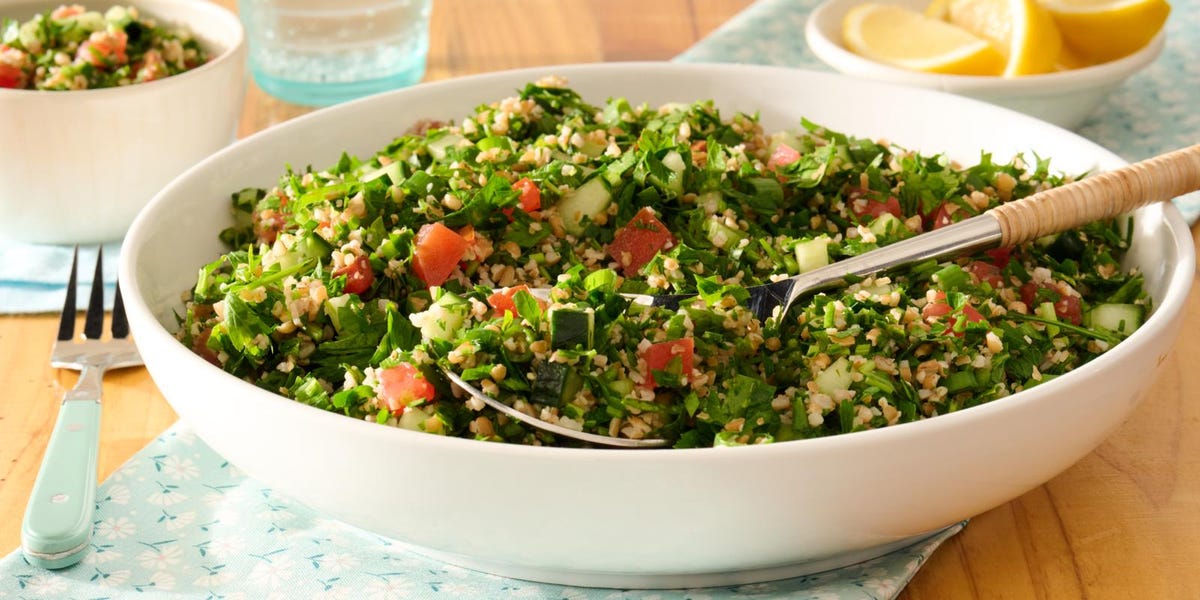
Easy Tabbouleh Recipe: Your Guide to a Refreshing & Healthy Side Dish
In the culinary world, few dishes capture the essence of freshness and vibrant flavor quite like tabbouleh. This iconic Mediterranean salad, often misspelled as tabouli, is more than just a side dish; it's a celebration of herbs, crisp vegetables, and a delicate touch of grain. If you’ve ever yearned for that authentic taste from your favorite Middle Eastern restaurant, you're in luck! This guide will walk you through an incredibly easy tabbouleh recipe, allowing you to create a refreshing, healthy, and utterly delicious dish right in your own kitchen.
Forget complicated cooking techniques or a long list of obscure ingredients. Our easy tabbouleh recipe is designed for home cooks, bringing together simple, readily available produce to create a truly spectacular result. Whether you're looking for a light lunch, a perfect accompaniment to grilled meats, or a bright addition to your mezze platter, tabbouleh fits the bill perfectly.
What Makes Tabbouleh So Special? Unpacking the Mediterranean Gem
At its heart, tabbouleh is a testament to the power of fresh, simple ingredients. Originating from the Levant region, particularly Lebanon, this salad embodies the healthy and flavorful principles of Mediterranean cuisine. Traditionally, Lebanese tabbouleh is a rich herb salad, with parsley taking center stage, accompanied by a modest amount of fine bulgur wheat, fresh mint, tomatoes, cucumbers, and a bright lemon-olive oil dressing.
What sets tabbouleh apart is its unparalleled freshness. Every bite delivers a burst of herbaceous notes, zesty lemon, and the satisfying crunch of vegetables. Beyond its incredible taste, tabbouleh is also a nutritional powerhouse. It's packed with vitamins and minerals from its copious fresh herbs, fiber from the bulgur, and healthy monounsaturated fats from the olive oil. It’s naturally vegan, low in calories, and wonderfully hydrating, making it an ideal choice for a light meal or a refreshing counterpoint to richer dishes.
While often thought of as a bulgur salad, the traditional emphasis is truly on the herbs. Think of it as an edible garden that you can scoop up with romaine lettuce leaves or simply enjoy with a fork. The beauty of this tabbouleh recipe lies in its simplicity and its ability to transport you to sun-drenched Mediterranean shores with every Forkful.
The Easy Tabbouleh Recipe: Your Step-by-Step Guide
Ready to create your own bowl of fresh, vibrant tabbouleh? Here’s our streamlined and easy tabbouleh recipe that promises authentic flavor without the fuss.
Ingredients:
- 1 cup fine bulgur wheat (#1 grade, if available)
- 1 ½ cups boiling water
- ¼ cup freshly squeezed lemon juice (from about 2 lemons)
- ¼ cup good quality extra virgin olive oil
- 3 ½ teaspoons kosher salt, divided
- 1 cup minced scallions (white and green parts, about 1 bunch)
- 1 cup chopped fresh mint leaves (about 1 large bunch)
- 1 cup chopped flat-leaf parsley (about 1 large bunch, traditionally even more!)
- 1 hothouse cucumber, unpeeled, seeded, and medium-diced
- 2 cups cherry tomatoes, halved (or 1 large tomato, seeded and diced)
- 1 teaspoon freshly ground black pepper
- Optional: 1 small clove garlic, minced very finely
Instructions:
- Prepare the Bulgur: In a large bowl, combine the bulgur wheat. Pour in the boiling water, then add the freshly squeezed lemon juice, olive oil, and 1 ½ teaspoons of kosher salt. Stir everything together well. Allow the bulgur to stand at room temperature for approximately 1 hour, or until all the water has been absorbed and the bulgur is tender and fluffy. There's no need to drain – it should soak up all the liquid.
- Chop the Freshness: While the bulgur is soaking, meticulously prepare your herbs and vegetables. Mince the scallions finely, chop the mint leaves, and chop the parsley. For the best texture, ensure your parsley is very finely chopped. Dice the cucumber into small, even pieces. Halve the cherry tomatoes. The finer your chop, the more harmonious the flavors will meld together.
- Combine & Season: Once the bulgur is ready, add the prepared scallions, mint, parsley, cucumber, and tomatoes to the bowl. Sprinkle in the remaining 2 teaspoons of kosher salt and the freshly ground black pepper (and the optional minced garlic, if using). Mix all the ingredients thoroughly until everything is well combined and the herbs and vegetables are evenly distributed.
- Taste & Rest: Taste the tabbouleh and adjust the seasoning as needed. You might want a little more salt, pepper, or lemon juice depending on your preference. For the best flavor, cover the bowl and refrigerate for at least a few hours. The flavors will meld and deepen beautifully, making it even more delicious. While the bright green color might slightly fade due to the lemon juice, the taste will only improve.
- Serve: Serve your refreshing tabbouleh chilled or at room temperature. It's excellent on its own, scooped up with crisp romaine lettuce leaves, or as a side to grilled chicken, falafel, or How to Make Authentic Tabbouleh: Best Herb Salad Recipe.
Key Ingredients for Tabbouleh Perfection
Understanding the role of each ingredient is crucial for perfecting your tabbouleh recipe.
Bulgur: The Humble Grain
While often seen as a bulgur salad, traditional tabbouleh uses a small amount of fine bulgur (#1 grain). This type of bulgur doesn't require cooking; it simply softens by soaking in hot water and lemon juice. If you can only find medium or coarse bulgur, follow the package directions for cooking, but be careful not to overcook it, as a mushy texture will detract from the salad's crispness. The key is for it to be tender but still have a slight chew.
Parsley: The Green Heart
Parsley is not just a garnish in tabbouleh; it's the main event! Authentic tabbouleh boasts a substantial amount of finely chopped fresh parsley. Both flat-leaf (Italian) and curly parsley work, with curly parsley sometimes offering a bit more volume. Don't skimp here – the abundance of parsley is what gives tabbouleh its vibrant green color and its signature fresh flavor. For tips on maximizing the herb flavor, check out Real Tabbouleh: Parsley, Bulgur, and Fresh Flavor Secrets.
Mint & Scallions: The Aromatic Duo
Fresh mint adds another layer of incredible freshness and a cooling counterpoint to the parsley. While often optional in other salads, it's essential for a truly authentic tabbouleh experience. Scallions (green onions) provide a mild, sweet onion flavor without overpowering the delicate herbs, making them the perfect choice over stronger onions.
Lemon Juice & Olive Oil: The Zesty Dressing
The dressing for tabbouleh is wonderfully simple but critical. Freshly squeezed lemon juice provides that unmistakable bright, zesty tang, while a good quality extra virgin olive oil adds richness, depth, and a silky texture. These two ingredients are the backbone of the flavor profile, so choose them wisely.
Cucumber & Tomatoes: Crisp & Juicy Additions
Fresh cucumber and tomatoes add texture, color, and a refreshing juiciness. While some very traditional Lebanese versions might omit cucumber, it has become a standard and welcome addition in many popular tabbouleh recipes, enhancing the overall crispness and hydration of the salad. Ensure they are ripe but firm for the best results.
Tips for the Best Tabbouleh
- Chop Finely: This is arguably the most important tip. All ingredients, especially the herbs, should be finely minced or diced. This ensures that every spoonful offers a harmonious blend of flavors and textures, rather than large chunks of individual ingredients.
- Freshness is King: Use the freshest produce you can find. The quality of your herbs and vegetables directly impacts the final taste of your tabbouleh.
- Don't Over-Swell the Bulgur: Be careful with the amount of water and the soaking time. Over-hydrated bulgur can make your tabbouleh mushy. If you find your bulgur is too wet after soaking, you can gently squeeze out excess moisture in a clean kitchen towel.
- Season to Taste: Lemon juice, salt, and pepper are your friends. Taste the tabbouleh before serving and adjust the seasoning as needed. It should be bright, tangy, and well-balanced.
- Make Ahead: Tabbouleh is one of those dishes that actually improves with a few hours of resting in the refrigerator. This allows the flavors to meld and deepen. Just give it a good stir before serving.
- Serving Suggestions: Tabbouleh is incredibly versatile. Enjoy it as a light lunch, a side for grilled fish or chicken, alongside hummus and pita as part of a mezze platter, or as a vibrant addition to any potluck or picnic.
Conclusion
This easy tabbouleh recipe offers a gateway to enjoying one of the Mediterranean's most beloved and refreshing salads. With its vibrant flavors, healthy ingredients, and simple preparation, it's a dish that truly delivers on taste and nutrition. By following these steps and embracing the power of fresh herbs, you can create a tabbouleh that rivals any restaurant, perfect for any occasion. So, gather your fresh ingredients, get chopping, and prepare to delight your senses with this authentic and easy-to-make culinary masterpiece.
