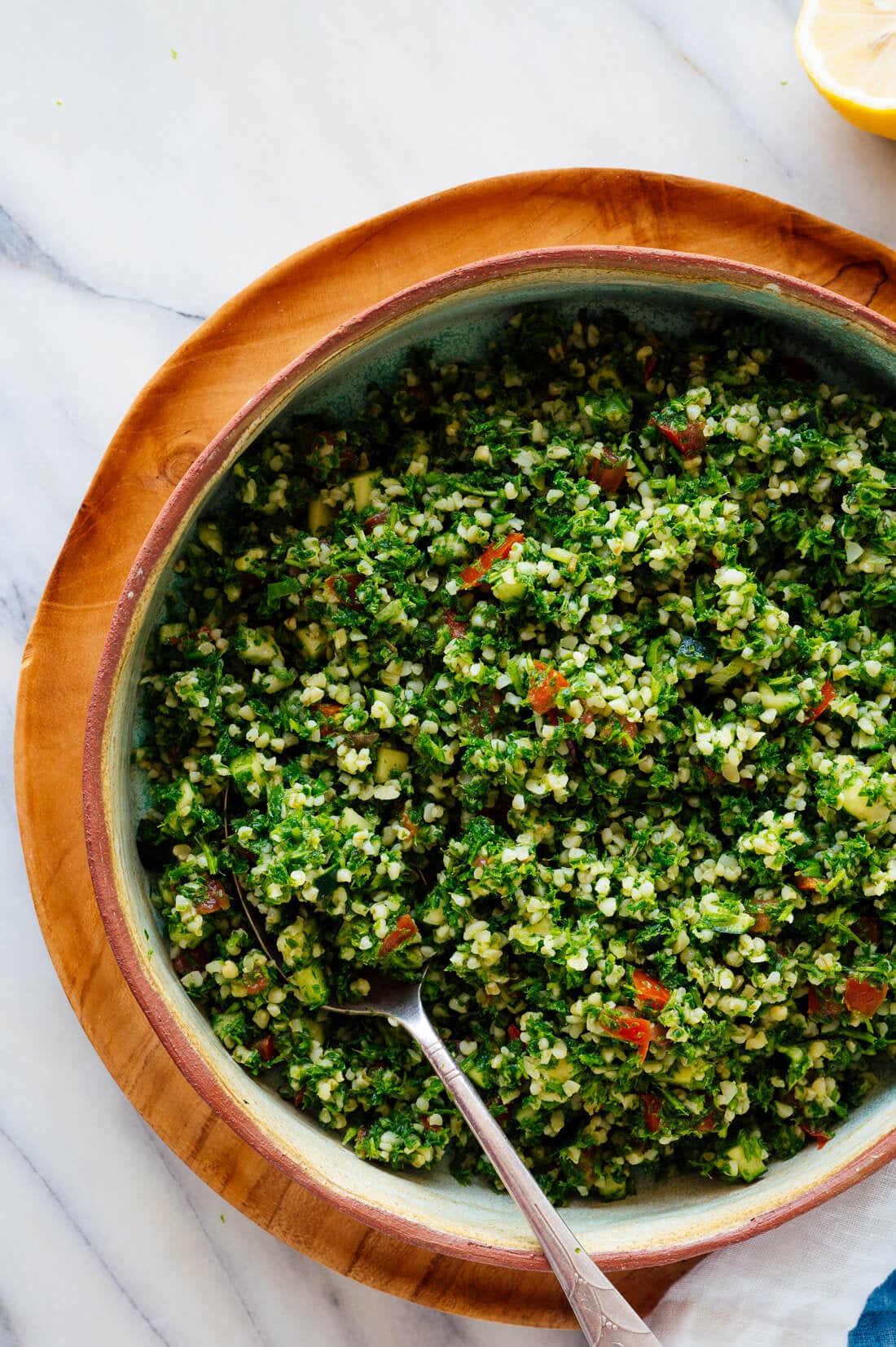
Unlocking the Secrets to Authentic Tabbouleh: Your Best Herb Salad Recipe
The vibrant world of Middle Eastern cuisine offers a symphony of flavors, and perhaps no dish embodies its fresh, wholesome spirit quite like tabbouleh. More than just a side, this celebrated salad is a culinary staple, bursting with verdant herbs, garden-fresh vegetables, and a zesty lemon-olive oil dressing. If you've ever dreamt of recreating that exquisite taste from your favorite Lebanese restaurant, you're in the right place. This comprehensive guide will walk you through crafting the ultimate, authentic
tabbouleh recipe, ensuring a salad that's not just good, but truly unforgettable.
Forget everything you thought you knew about bulgur salads – true tabbouleh is a revelation, a masterclass in balance where herbs take center stage. Prepare to discover a refreshing, healthy, and incredibly flavorful experience.
The Essence of Authentic Tabbouleh: More Than Just Bulgur
Many associate tabbouleh with bulgur wheat, seeing it as the primary ingredient. However, the heart of authentic Lebanese tabbouleh lies in its generous celebration of fresh herbs. As connoisseurs attest, real tabbouleh is a lemony *herb salad* with just a hint of fine bulgur, an edible garden you can scoop up with crisp romaine lettuce leaves or simply savor with a fork. This crucial distinction sets a truly authentic
tabbouleh recipe apart from its bulgur-heavy counterparts.
The brilliance of tabbouleh lies in its simplicity and the quality of its components. It's a testament to how humble ingredients, when combined with care and in the right proportions, can create something extraordinary. The dish is incredibly refreshing, light, and packed with nutrients, making it a perfect accompaniment to a wide array of Mediterranean and Middle Eastern dishes, from hummus and falafel to grilled meats and cheeses. The goal isn't just a tasty salad, but a deeply flavorful experience that highlights the natural beauty of fresh produce.
Mastering the Ingredients for Your Tabbouleh Recipe
The success of your authentic tabbouleh hinges on selecting the right ingredients and preparing them with precision. Each component plays a vital role in achieving that perfect balance of texture, aroma, and taste.
Bulgur Wheat: The Unsung Hero (in moderation)
When it comes to bulgur, authenticity calls for *super fine grain (#1)* bulgur. This delicate variety is typically soaked, not cooked, which allows it to absorb the flavors of the dressing beautifully without becoming mushy. While fine bulgur can sometimes be a challenge to find in conventional grocery stores, specialty Middle Eastern markets are your best bet. If you can only find coarser varieties, follow package directions for soaking or cooking, but remember that the ideal tabbouleh features bulgur as a subtle binder, not the main star. Always ensure your bulgur is well-drained after soaking to prevent a watery salad.
The Power of Fresh Herbs: Parsley & Mint
This is where your tabbouleh truly shines and earns its "herb salad" moniker.
*
Fresh Parsley: Authentic tabbouleh uses a *ton* of parsley – it's what gives the salad its vibrant green hue and foundational flavor. While flat-leaf parsley is common, many find that curly parsley offers a pleasant volume and texture, even when finely chopped, making the salad more satisfying to eat. Aim for at least a full bunch, or even more, to achieve that truly herbaceous character.
*
Fresh Mint: Essential for its bright, invigorating flavor, fresh mint adds another layer of complexity and an undeniable "refreshing" factor. Don't skimp on it if you can help it! If fresh mint is expensive or hard to find, growing it yourself is a rewarding option, but it's such a core flavor that it's worth seeking out for the best results.
The key to perfect herbs is to wash them thoroughly and dry them completely before chopping. Any residual water can dilute the dressing and make your salad soggy. Chop both herbs *very finely* to ensure they integrate seamlessly into the salad, releasing their full aromatic potential with every bite.
Vibrant Vegetables: Tomatoes, Cucumber & Scallions
These ingredients add delightful texture, color, and additional layers of freshness.
*
Tomatoes: Sweet cherry tomatoes, cut in half, are excellent for this recipe. Their small size and concentrated flavor provide bursts of juicy sweetness. If using larger tomatoes, ensure they are firm and ripe, then dice them to a similar size as your cucumber.
*
Cucumber: A hothouse cucumber, unpeeled, seeded, and medium-diced, adds a refreshing crunch. While some traditional Lebanese versions might omit cucumber, it's a beloved addition in many popular renditions and undeniably enhances the salad's refreshing quality. Feel free to include or exclude based on your preference.
*
Scallions (Green Onions): Using both the white and green parts of minced scallions provides a mild, fresh oniony kick without overpowering the delicate herbs. They are the perfect aromatic complement.
Ensure all vegetables are diced uniformly for an appealing presentation and consistent texture in every spoonful.
The Zesty Dressing & Seasoning: Lemon, Olive Oil, Salt & Pepper
The dressing for tabbouleh is remarkably simple yet incredibly impactful.
*
Freshly Squeezed Lemon Juice: This is non-negotiable. The bright acidity of fresh lemon juice is the backbone of the dressing, cutting through the richness of the olive oil and brightening all the other flavors. You'll likely need juice from at least two good lemons.
*
Good Olive Oil: Opt for a high-quality extra virgin olive oil. Its fruity, peppery notes will elevate the entire dish.
*
Kosher Salt & Freshly Ground Black Pepper: These seasonings are crucial for enhancing all the natural flavors. Kosher salt is often preferred for its clean taste and coarser texture. While not always in every recipe, a single clove of minced garlic can also add a delightful subtle depth, as some enthusiasts suggest.
Step-by-Step Guide to Your Best Tabbouleh
Ready to bring all these fresh ingredients together? Follow these steps for an outstanding
tabbouleh recipe:
Preparing the Bulgur Foundation
1.
Soak the Bulgur: In a large mixing bowl, combine 1 cup of fine bulgur wheat. Pour in 1½ cups of boiling water, followed by ¼ cup of freshly squeezed lemon juice, ¼ cup of good olive oil, and 1½ teaspoons of kosher salt.
2.
Infuse Flavors: Stir everything together well, ensuring the bulgur is submerged and coated. This initial soak with the dressing components helps the bulgur absorb flavor from the start, rather than just water.
3.
Rest and Soften: Allow the mixture to stand at room temperature for approximately 1 hour. During this time, the bulgur will swell and soften beautifully. After soaking, gently squeeze any excess liquid from the bulgur using a cheesecloth or clean kitchen towel to prevent a watery salad. This step is crucial for the perfect texture.
Assembling the Herbaceous Heart
1.
Add Vegetables and Herbs: To the bowl with the soaked bulgur, add 1 cup of minced scallions (white and green parts), 1 cup of finely chopped fresh mint leaves, 1 cup of finely chopped flat-leaf or curly parsley, 1 hothouse cucumber (unpeeled, seeded, and medium-diced), and 2 cups of cherry tomatoes (cut in half).
2.
Season and Mix: Add the remaining 2 teaspoons of kosher salt and 1 teaspoon of freshly ground black pepper (and the optional minced garlic, if using). Mix all the ingredients gently but thoroughly, ensuring everything is well combined without bruising the delicate herbs. Use a light hand to maintain the herbs' vibrant appearance.
Seasoning and Resting for Peak Flavor
1.
Taste and Adjust: Once everything is mixed, taste a small amount and adjust seasonings as needed. You might want a little more lemon, salt, or pepper depending on your palate and the ripeness of your produce.
2.
Let it Mingle: While you can serve tabbouleh immediately, its flavor truly improves and deepens if it's allowed to sit for at least a few hours, or even overnight, in the refrigerator. This resting period allows the flavors to meld and harmonize, creating a more cohesive and delicious salad. Be aware that the bright green color may fade slightly due to the lemon juice, but the taste will only get better!
Tips for Perfection and Serving Suggestions
*
Chop Uniformly: Consistent, fine chopping of all ingredients is key for both aesthetics and ensuring every bite is perfectly balanced.
*
Don't Rush the Rest: The resting period is not just a suggestion; it's a critical step for developing depth of flavor.
*
Quality Matters: Use the freshest herbs, ripe tomatoes, and good quality olive oil for the best results.
*
Serving: Authentic tabbouleh is wonderfully versatile. Serve it as a refreshing side dish alongside grilled meats, fish, falafel, or kibbeh. It's delightful scooped into crisp romaine lettuce heart leaves or simply enjoyed on its own. It pairs beautifully with other mezze dishes like hummus and baba ganoush.
*
Storage: Tabbouleh keeps well in the refrigerator for a day or two. After that, the herbs may start to lose some of their freshness, though it will still be edible.
For those eager to delve deeper into the nuances of this incredible dish, explore
Real Tabbouleh: Parsley, Bulgur, and Fresh Flavor Secrets. If you're looking for a quick and simple version that still delivers on taste, our
Easy Tabbouleh Recipe: A Refreshing & Healthy Side Dish offers a fantastic alternative.
Conclusion
Making authentic tabbouleh at home is a rewarding experience that connects you to centuries of culinary tradition. By focusing on fresh, high-quality ingredients and understanding the delicate balance between herbs and bulgur, you can create a salad that rivals any restaurant's offering. This
tabbouleh recipe is more than just a set of instructions; it's an invitation to savor the vibrant, healthful, and utterly delicious flavors of the Middle East. Give it a try, and prepare to fall in love with your new favorite herb salad.