Unlocking the True Essence of Tabbouleh: A Parsley-Powered Culinary Journey
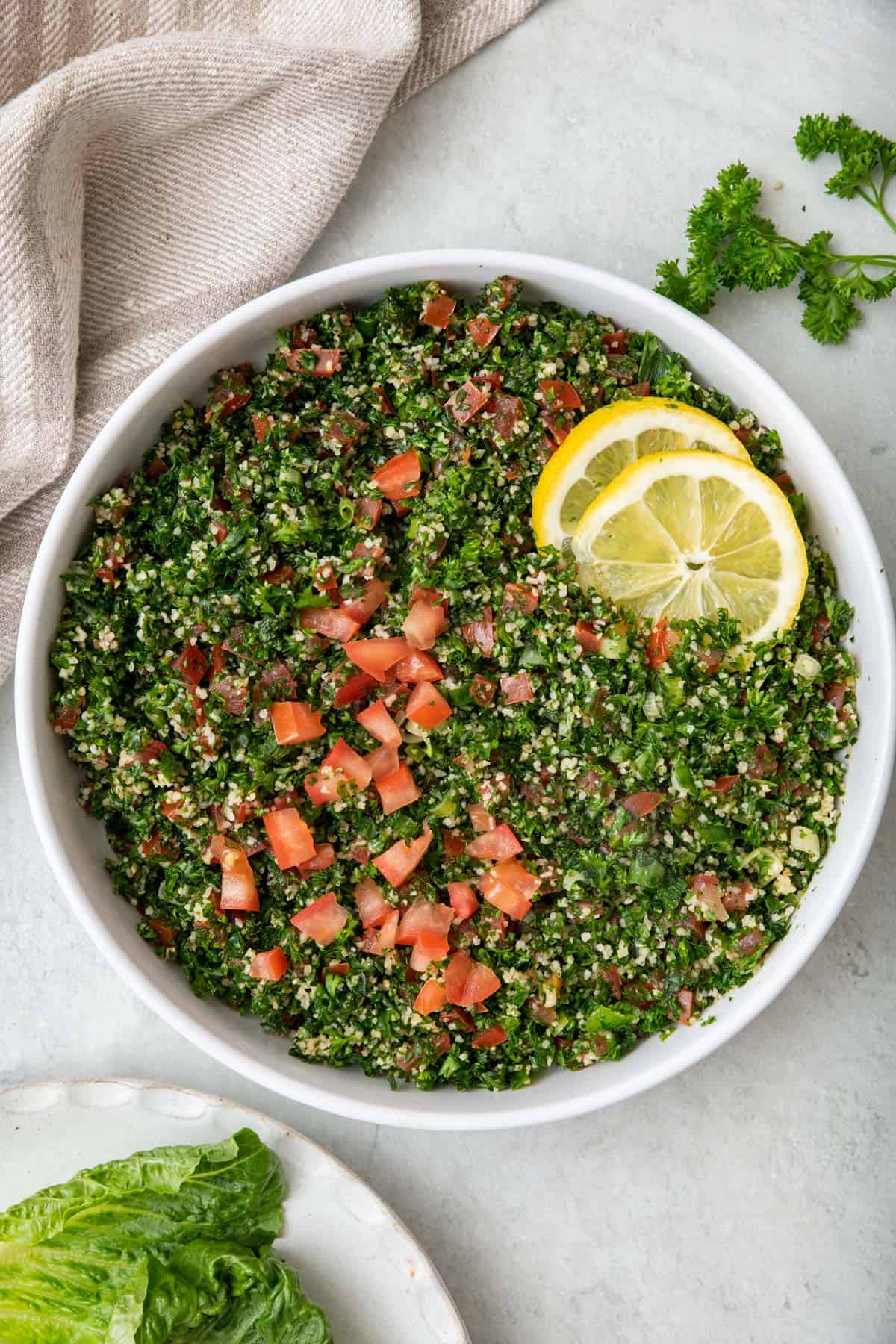
Forget what you thought you knew about traditional grain salads. Real tabbouleh isn't just another side dish; it's a vibrant celebration of fresh herbs, a testament to the simple yet profound flavors of Mediterranean cuisine. While many modern interpretations might place bulgur wheat front and center, an authentic tabbouleh recipe, particularly from its Lebanese origins, truly showcases an abundant garden of parsley and mint, with bulgur playing a supportive, textural role rather than dominating the plate. This isn't just a salad; it's an edible landscape of bright greens, crisp vegetables, and zesty dressing, making it a refreshing and healthy staple that’s perfect for any meal.
Whether you're new to this delightful dish or seeking to perfect your homemade version, understanding the secrets to a truly exquisite tabbouleh will transform your culinary experience. From choosing the right bulgur to mastering the art of chopping your herbs, every step contributes to that unforgettable fresh flavor. Get ready to dive into the world of authentic tabbouleh and discover why it's far more than just a bulgur salad.
The Heart of Tabbouleh: Why Parsley Reigns Supreme
When you encounter a truly traditional tabbouleh, the first thing that strikes you is its glorious green hue. This isn't by accident. The secret lies in the sheer volume of fresh parsley – it's the undisputed star of the show. While many common salad recipes treat herbs as an accent, tabbouleh elevates them to the main ingredient. This emphasis on herbs creates a salad that is incredibly light, verdant, and packed with an invigorating freshness that few other dishes can match.
Authentic Lebanese tabbouleh recipes often call for multiple bunches of parsley, finely chopped to release their aromatic oils. While flat-leaf (Italian) parsley is popular and offers a robust flavor, some aficionados argue for curly parsley. Its unique texture provides extra volume even when finely minced, contributing to a more satisfying mouthfeel. Regardless of your choice, the key is fresh, vibrant parsley, washed thoroughly and dried before chopping. The quantity might seem daunting at first, but it's precisely this abundance that defines the authentic experience, transforming the dish from a simple bulgur salad into a truly herb-forward masterpiece. This commitment to fresh herbs not only contributes to the incredible flavor profile but also makes tabbouleh an exceptionally healthy choice, brimming with vitamins and antioxidants.
Crafting the Perfect Bulgur Base: Soaking, Not Cooking
While parsley leads the charge, bulgur wheat is the essential anchor that gives tabbouleh its characteristic texture. However, the preparation of bulgur is often where misconceptions arise. For an authentic tabbouleh recipe, fine-grain bulgur (#1) is almost always preferred, and crucially, it's soaked rather than cooked. This method results in a tender, chewy texture without becoming mushy, allowing the bulgur to absorb the vibrant flavors of the lemon, olive oil, and herbs.
Choosing Your Bulgur:
- Fine Grain (#1): This is the ideal choice for traditional tabbouleh. It requires no cooking and softens beautifully with a simple soak. You might find it at specialty Middle Eastern markets or larger health food stores.
- Medium or Coarse Grain: If fine bulgur is unavailable, you can use these varieties. They may require a slightly longer soak or a brief boil, so always follow package directions. The goal is tender but not overly soft.
The Soaking Process:
The beauty of soaking bulgur is its simplicity. In a large bowl, combine your bulgur with boiling water. This initial hydration is key. But don't just add water; infuse flavor from the start. A good tabbouleh recipe will instruct you to add a portion of your lemon juice, olive oil, and a touch of salt to the bulgur and water mixture. This pre-seasoning ensures that every grain is infused with a bright, savory foundation. Let it stand at room temperature for about an hour, or until the bulgur has plumped up and is tender to the bite. Once tender, any excess liquid should be gently squeezed out, leaving the bulgur perfectly hydrated and ready to mingle with the fresh ingredients.
A Symphony of Fresh Flavors: Herbs, Vegetables, and Zesty Dressing
Beyond the parsley and bulgur, a classic tabbouleh recipe rounds out its profile with a medley of fresh vegetables and a simple yet potent dressing. These elements contribute layers of texture, color, and additional bursts of freshness.
The Supporting Cast of Vegetables:
- Fresh Mint: An absolute must for that signature cooling, aromatic lift. Like parsley, it should be finely chopped. While sometimes expensive, its unique contribution is truly irreplaceable. If you grow it at home, you're in luck!
- Scallions (Green Onions): Providing a mild, fresh onion flavor without the harshness of raw red or yellow onions, scallions are perfectly suited for tabbouleh. Use both the white and green parts, minced finely.
- Cucumber: While some traditional Lebanese versions omit cucumber, it's a popular and welcome addition in many interpretations. A hothouse cucumber (English cucumber) is ideal as it has fewer seeds and a thinner skin. Diced into small, even pieces, it adds a crisp, refreshing counterpoint to the soft bulgur and herbs.
- Tomatoes: Sweet cherry or grape tomatoes, halved or quartered, bring a juicy burst of sweetness and a pop of vibrant red color. Ensure they are ripe and flavorful.
The key to these additions is uniform, small dicing. This ensures that every spoonful of tabbouleh offers a harmonious blend of flavors and textures, rather than large chunks that overpower the delicate herbs.
The Golden Dressing: Lemon, Olive Oil, and Seasoning:
The dressing for tabbouleh is elegantly simple, allowing the natural flavors of the fresh ingredients to shine. It consists primarily of freshly squeezed lemon juice and good quality extra virgin olive oil. The importance of freshly squeezed lemon juice cannot be overstated; it provides an unparalleled bright, tangy lift that bottled juice simply can't replicate. The olive oil adds a silky richness and fruity depth. A generous amount of kosher salt and freshly ground black pepper are crucial for seasoning. Some recipes also include a hint of garlic, which can add a subtle layer of pungent warmth, but it's not universally found in every traditional tabbouleh recipe.
Combine these dressing ingredients directly with your soaked bulgur, chopped herbs, and vegetables. Mix everything thoroughly to ensure every component is coated and infused with the zesty dressing. Taste and adjust seasoning as needed – you might find you want a little more salt or lemon to truly make the flavors sing.
Mastering the Art of Tabbouleh: Tips for Success and Enjoyment
Creating an exceptional tabbouleh is an art that benefits from a few key considerations:
- Finely Chop Everything: This is perhaps the most important tip. The beauty of tabbouleh lies in its delicate texture and harmonious blend. Mincing herbs and dicing vegetables into small, uniform pieces ensures that you get a taste of everything in each bite.
- Don't Skimp on the Herbs: Especially the parsley. It's the soul of the salad. If it looks like too much, you're probably doing it right.
- Taste and Adjust: Seasoning is personal. Don't be afraid to add more salt, pepper, or a squeeze of lemon juice until the flavors truly pop for your palate.
- Let it Mingle: While delicious immediately, tabbouleh's flavors significantly improve if allowed to sit for a few hours, or even overnight, in the refrigerator. This gives the ingredients time to meld and deepen. Just be aware that the bright green color may fade slightly due to the lemon juice, but the flavor will only get better.
- Serving Suggestions: Tabbouleh is incredibly versatile. It's perfect scooped up with fresh romaine lettuce leaves, served alongside grilled meats or fish, as part of a mezze platter with hummus and falafel, or simply enjoyed on its own as a light and refreshing meal.
- Storage: Store leftover tabbouleh in an airtight container in the refrigerator for up to a day or two. Beyond that, the herbs may lose some of their vibrancy.
Embracing the true spirit of tabbouleh means appreciating its simplicity and commitment to fresh, vibrant ingredients. It's a reminder that some of the most satisfying dishes are those that celebrate the bounty of the garden.
